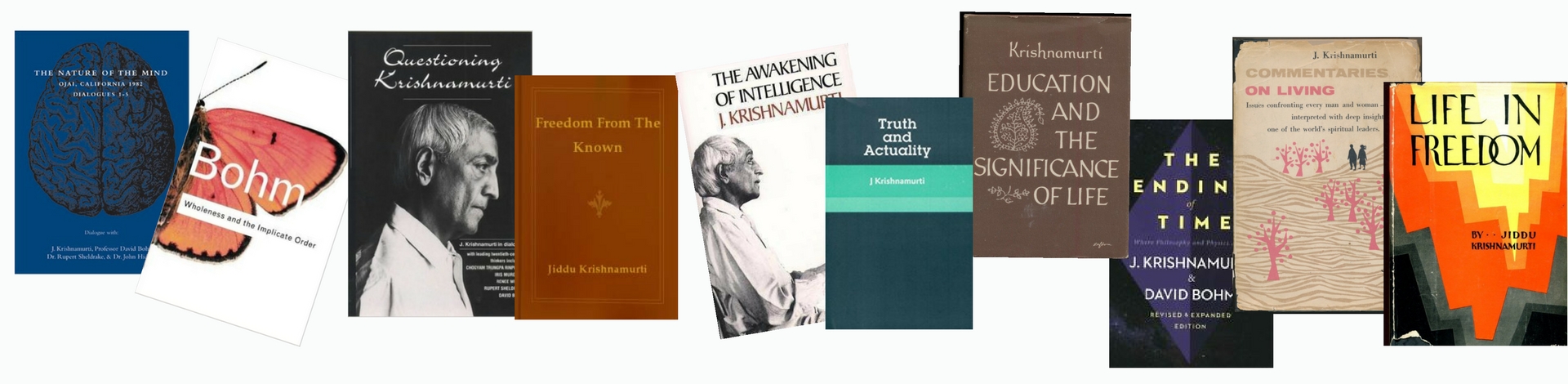
This lengthy series of messages may only be for a few, but if it is not your cup of tea, for the sake of suffering sentient creatures, at least try to read and ponder it as I will be laying out my entire understanding of the approach of the Middle Way (Madhyamika Prasangika) School of Buddhism in a way that is a a hopefully still true to form but also a little original. Sometimes we need to try something new:-) Most reading may not know that this particular Buddhist approach both Gurdjieff AND Krishnamurti were on some level trained in, (G very comprehensively beginning in St. Petersberg — more on this later — and K to some degree superficially by Annie Besant. I say superficially because imo her own understanding though a little advanced was kind of limited. and also this exposure was presumably not under the conditions of The Three Jewels, Buddha, Dharma and Sangha (though, and just speculating, possibly at one point or another she may have taken him to this or that Middle Way School teaching. I will maybe write later about how I have come to these various conclusion. Also this Middle Way approach was obviously not suited to K’s mental/psychological capacity. I will qualify that it is said that the Buddha, not to imply K was a Buddha, turned the wheel three times for three different capacities of people (much more on this later), and the question does arise of how a person presenting a basic life approach to a broad spectrum of people would go about this. Obviously a lot of generalization would be involved. So how would that work,and could it even work? K said again and again he failed, and I agree.
So,, in simple language, the two aspects of truth are conventional and ultimate truth. Conventional truth is the way we ordinarily perceive reality as subject and object, so the object of knowledge, what we are looking at, being separate from the perceiver. This is functional, natural; there is no way to ever do away with it. For obvious reasons which I will not even bother going into, it is simply how a person (and I think any sentient creature) perceives in order to be able to navigate. A key point which I will be using as a foundation for much of my presentation is that this is *nature,* and we are creatures of nature. So, when K said, “the observer is the observed” he was in his own limited way imo simplistically parroting the basic approach of the Middle Way School, which is that everything is ultimately interdependent. Interestingly, what they consider lower, ie, limited scope Buddhist schools see ultimate truth as being literally ultimately true. so they try to do away with the conventional aspect, and here it is very easy to get stuck. So, looking ahead, a basic gist of this ongoing analysis, as I touched on in the previous message, is solving, ie, working through the conundrum of ultimate truth being or not being what is called ultimately true. There is an answer here: upcoming:-)
 Deconstructing Krishnamurti